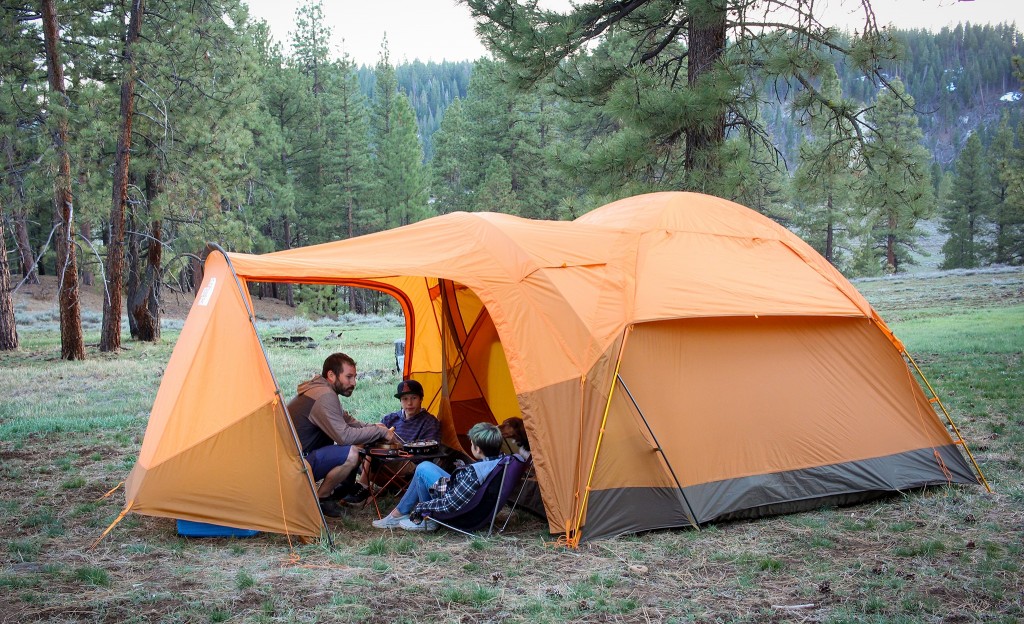
Packing the right camping gear can make the difference between a comfortable outdoor adventure and a stressful experience. Whether you’re heading out for a weekend trip or a multi-day expedition, carrying essential equipment ensures safety, convenience, and enjoyment throughout your journey.
This checklist covers everything beginners and experienced campers should consider before heading outdoors.
Why a Camping Gear Checklist Matters
Camping environments can change quickly depending on terrain and weather conditions. A structured packing plan helps you:
- Stay prepared for unexpected situations
- Reduce the risk of forgetting essentials
- Travel efficiently without overpacking
- Improve comfort during overnight stays
- Handle emergencies confidently
Planning your gear in advance makes outdoor travel smoother and safer.
Shelter Essentials for Comfortable Camping
Reliable shelter protects you from weather, insects, and temperature changes.
Key shelter items include:
- Weather-resistant tent
- Tent footprint or groundsheet
- Tent stakes and guylines
- Lightweight tarp for extra protection
- Repair kit for quick fixes
Choose shelter equipment suited to your destination climate and terrain.
Sleeping Gear for Restful Nights Outdoors
Quality sleep improves energy levels during camping trips.
Essential sleeping gear includes:
- Sleeping bag suitable for expected temperatures
- Sleeping mat or inflatable mattress
- Travel pillow or compact cushion
- Extra blanket for colder conditions
Comfortable sleeping arrangements help maintain stamina during outdoor activities.
Cooking Equipment for Outdoor Meals
Simple cooking gear makes campsite meals easier and more enjoyable.
Important cooking items include:
- Portable camping stove
- Fuel canisters
- Lightweight cookware set
- Reusable utensils
- Heat-resistant gloves
- Biodegradable dishwashing supplies
Efficient cooking setups reduce preparation time and effort.
Food and Hydration Supplies
Maintaining energy and hydration is essential during outdoor travel.
Pack items such as:
- Reusable water bottles or hydration packs
- Water purification tablets or filters
- Ready-to-cook meals
- Dry snacks and energy bars
- Electrolyte supplements if hiking actively
Proper hydration supports both safety and performance.
Clothing for Changing Outdoor Conditions
Weather conditions can shift quickly in natural environments.
Follow a layered clothing strategy:
- Moisture-wicking base layers
- Insulating middle layers
- Waterproof outer jackets
- Comfortable hiking pants
- Extra socks and gloves if needed
Layered clothing helps regulate body temperature effectively.
Navigation and Safety Equipment
Navigation tools improve confidence when exploring unfamiliar areas.
Carry essentials like:
- Offline maps or printed route guides
- Compass or GPS device
- Headlamp or flashlight with spare batteries
- Multi-tool or pocket knife
- Emergency whistle
- Personal identification documents
These items are critical in unexpected situations.
Personal Hygiene and Health Supplies
Maintaining hygiene during camping improves comfort and prevents illness.
Important hygiene items include:
- Travel-sized toiletries
- Hand sanitizer
- Quick-dry towel
- Biodegradable soap
- Toothbrush and toothpaste
- Compact first-aid kit
- Sunscreen and insect repellent
Health-focused packing supports a safer trip experience.
Backpack and Storage Essentials
Organized storage keeps gear accessible and protected.
Useful storage items include:
- Durable backpack with rain cover
- Dry bags for electronics and clothing
- Compression sacks for sleeping gear
- Food storage containers
- Trash bags for waste management
Efficient packing saves time and reduces stress at campsites.
Optional Comfort Items Worth Considering
Optional gear can enhance your outdoor experience depending on trip length.
Examples include:
- Folding camping chair
- Lightweight hammock
- Portable lantern
- Camera equipment
- Notebook or journal
- Power bank for devices
Comfort additions are especially helpful during longer stays.
How to Adjust Your Checklist Based on Trip Type
Not all camping trips require the same equipment.
Adapt your gear depending on:
- Trip duration
- Weather conditions
- Terrain difficulty
- Availability of campsite facilities
- Travel group size
Customizing your checklist prevents unnecessary packing while keeping essentials covered.
Smart Packing Tips for Efficient Travel
Packing efficiently improves mobility and campsite setup speed.
Helpful strategies include:
- Group items by purpose
- Keep frequently used gear accessible
- Use waterproof storage bags
- Test equipment before departure
- Avoid carrying duplicate items unnecessarily
Preparation helps keep your trip organized from start to finish.
FAQ Section
1. How heavy should a camping backpack be for beginners?
A beginner-friendly backpack typically weighs no more than 10–15% of your body weight for comfortable movement.
2. Do campers always need a water filter?
Water filters are recommended when camping away from developed campgrounds or safe drinking water sources.
3. Is a tarp necessary if you already have a tent?
A tarp adds extra protection from rain and ground moisture but may not be essential for short trips in mild conditions.
4. Should campers carry backup lighting equipment?
Yes, carrying spare batteries or a secondary light source is strongly recommended for safety at night.
5. What type of footwear works best for camping trips?
Comfortable hiking shoes with good grip and ankle support are ideal for most outdoor environments.
6. How can campers protect electronics from moisture?
Dry bags and waterproof storage pouches help keep electronics safe during unexpected weather changes.
7. Is it necessary to carry a repair kit while camping?
A small repair kit helps fix minor gear issues quickly, preventing inconvenience during longer trips.
