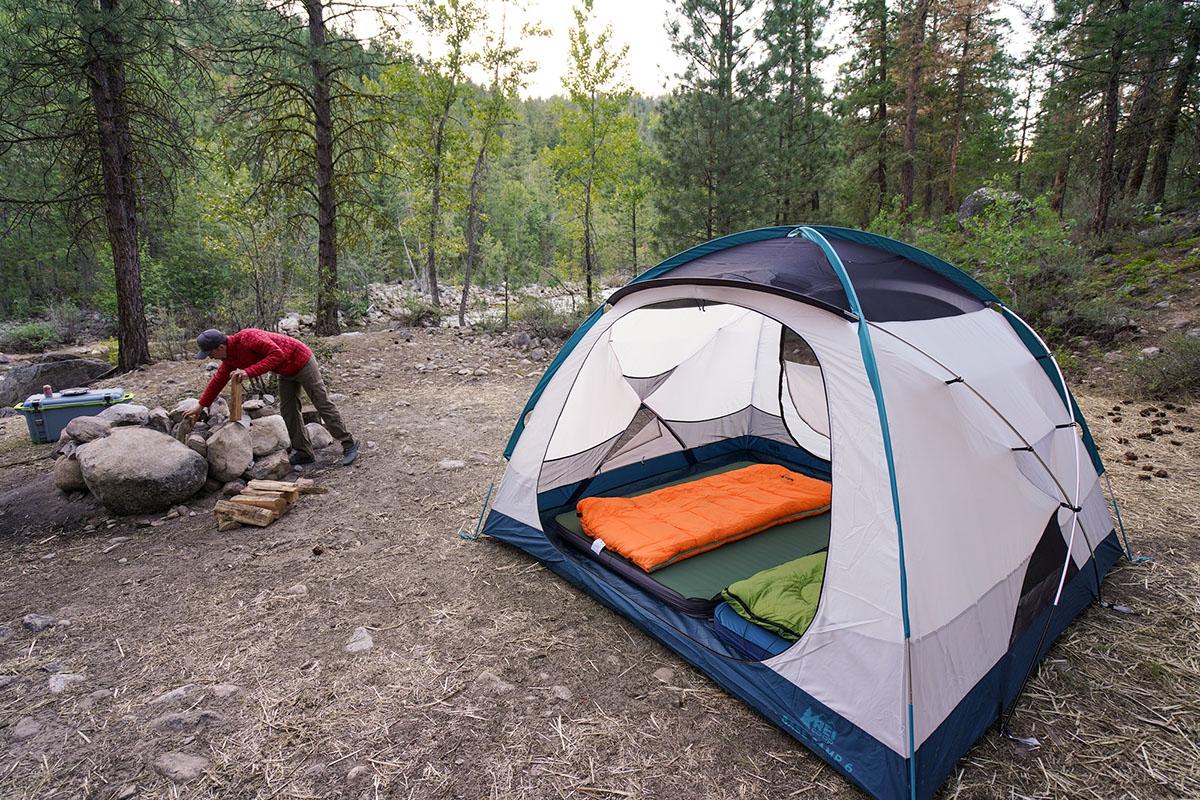
Camping is one of the simplest ways to reconnect with nature, slow down your routine, and experience travel more meaningfully. For beginners, the idea of sleeping outdoors may feel unfamiliar at first, but with proper preparation, camping quickly becomes comfortable, safe, and enjoyable.
This guide explains the essentials you need to plan your first camping trip confidently and avoid common beginner mistakes.
What Is Camping and Why Try It?
Camping involves staying overnight outdoors, usually in a tent, campsite shelter, or recreational vehicle, while relying on basic gear for comfort and safety.
Benefits of camping include:
- Spending time in natural surroundings
- Reducing stress and screen exposure
- Improving outdoor skills
- Building confidence and independence
- Creating memorable travel experiences at low cost
Camping works well for solo travelers, families, and groups alike.
Choose the Right Type of Camping for Beginners
Not all camping experiences are the same. Starting with a beginner-friendly style makes the trip smoother.
Popular beginner options include:
Campground Camping
Best for first-time campers because it provides:
- Marked camping spaces
- Washroom facilities
- Drinking water access
- Nearby parking
- Safer environments
This is the easiest way to learn basic camping routines.
Car Camping
Car camping allows you to keep supplies nearby.
Advantages include:
- Extra storage space
- Easy access to gear
- Comfortable sleeping setup
- Flexible meal preparation
It reduces the need to carry heavy equipment.
Guided Camping Trips
Ideal if you prefer structured support.
Benefits include:
- Expert assistance
- Pre-arranged equipment
- Safe route planning
- Local knowledge
Guided camping builds confidence quickly.
Essential Camping Gear You Need
Packing the right equipment ensures comfort and safety outdoors.
Core camping essentials include:
- Weather-appropriate tent
- Sleeping bag
- Sleeping mat or inflatable mattress
- Headlamp or flashlight
- Portable stove or cooking kit
- Reusable water bottles
- First-aid kit
Reliable gear improves your overall experience significantly.
How to Choose the Perfect Campsite
Selecting the right location affects comfort more than most beginners expect.
Look for campsites that offer:
- Flat ground for tents
- Protection from strong winds
- Access to clean water
- Safe distance from wildlife zones
- Nearby emergency access routes
Established campgrounds are ideal for first trips.
Learn How to Set Up a Tent Properly
Practicing before departure saves time and stress at the campsite.
Important setup tips include:
- Choose level ground
- Clear stones and debris
- Secure tent corners firmly
- Check rain protection features
- Keep ventilation openings functional
A well-set tent ensures restful sleep outdoors.
Plan Simple Outdoor Meals
Camping meals should be easy to prepare and carry.
Beginner-friendly food options include:
- Ready-to-cook noodles
- Sandwich ingredients
- Fruits and dry snacks
- Energy bars
- Instant soup packets
Simple meals reduce preparation time and effort.
Dress Smart for Outdoor Conditions
Clothing choices affect both comfort and safety during camping.
Follow the layering approach:
- Base layer for moisture control
- Middle layer for warmth
- Outer layer for weather protection
Comfortable footwear is equally important for campsite movement.
Stay Safe Around Wildlife and Nature
Respecting nature helps ensure a safe camping experience.
Follow these safety basics:
- Store food securely
- Avoid feeding animals
- Keep distance from unfamiliar wildlife
- Dispose of waste responsibly
- Stay aware of surroundings after dark
Responsible behavior protects both campers and ecosystems.
Manage Weather Changes Effectively
Weather conditions can shift quickly outdoors.
Prepare by:
- Checking forecasts before departure
- Carrying rain protection gear
- Packing extra clothing layers
- Keeping gear waterproofed
Preparation prevents discomfort during unexpected changes.
Practice Basic Camping Etiquette
Good etiquette improves experiences for everyone at the campsite.
Important habits include:
- Keeping noise levels low
- Respecting shared spaces
- Cleaning your campsite before leaving
- Following local regulations
- Avoiding damage to vegetation
Responsible camping supports sustainable travel.
Build Confidence With Short Trips First
Start small before attempting longer camping adventures.
Beginner-friendly strategies include:
- Choosing one-night trips
- Camping close to home
- Traveling with experienced friends
- Practicing equipment setup beforehand
Short trips help develop essential outdoor skills gradually.
FAQ Section
1. What is the best season for beginners to try camping?
Spring and early autumn are ideal because temperatures are moderate and weather conditions are more predictable.
2. Do beginners need expensive camping gear?
No. Many reliable entry-level options are affordable, and rental equipment is available in many travel destinations.
3. Is camping safe for families with children?
Yes, especially at organized campgrounds that provide facilities, security, and safe activity areas.
4. How much water should campers carry for overnight trips?
A common guideline is 2–3 liters per person per day, depending on climate and activity level.
5. Can beginners camp without cooking equipment?
Yes. Many beginners start with ready-to-eat meals and simple snacks that require minimal preparation.
6. What mistakes should first-time campers avoid?
Common mistakes include overpacking, ignoring weather forecasts, choosing unsuitable campsites, and skipping tent setup practice.
7. How early should campers arrive at the campsite?
Arriving before sunset helps you set up the tent comfortably and understand the surroundings safely.
