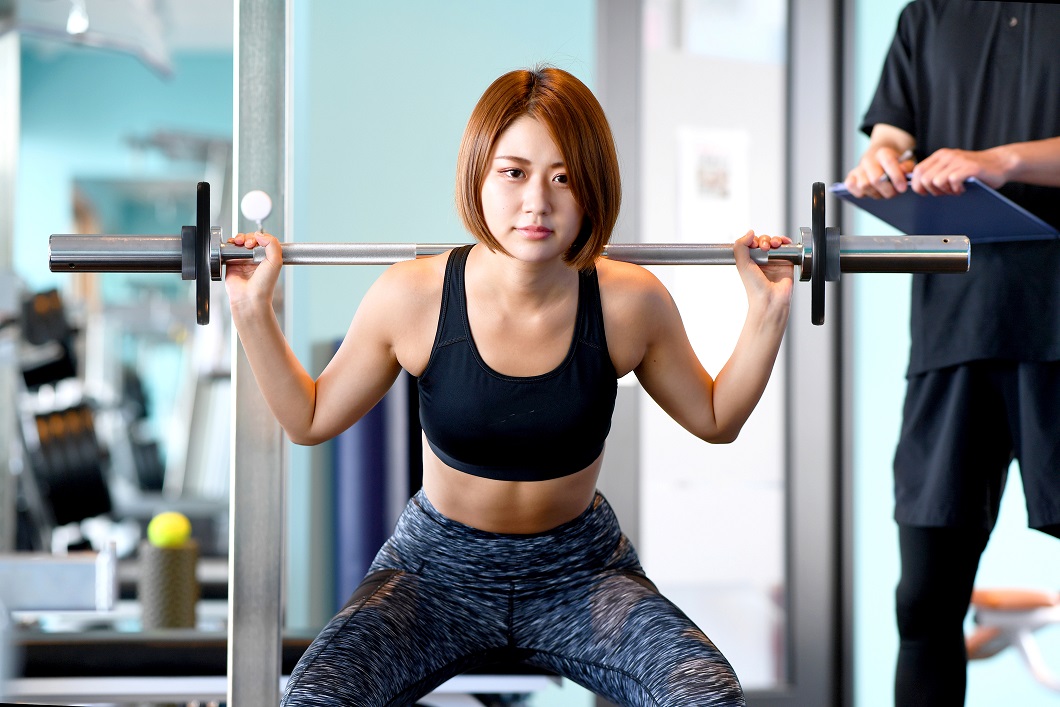
Travel is a major part of modern life for many people in Singapore. Whether it is for work, leisure or adventure, travelling often exposes the body to rapid shifts in temperature, humidity, elevation and terrain. These changes can impact energy levels, breathing patterns, mobility and overall comfort. Preparing the body for such transitions is essential for people who want to enjoy their trips without feeling fatigued, breathless or physically overwhelmed.
A growing number of travellers now turn to personal training singapore to develop specific conditioning strategies before flying overseas. Training plans designed around climate preparation, altitude readiness and terrain adaptation help people handle the unique demands of destinations with colder weather, dry air, steep slopes or thinner oxygen levels. This makes travel far smoother and more enjoyable, especially for individuals who are used to Singapore’s tropical climate.
Why Travel Conditioning Matters for Singapore Residents
Singaporeans are accustomed to warm, humid weather and minimal seasonal variation. When travelling to places with dramatically different climates, the body can struggle to adapt quickly. Moving from humidity to dry air, or from sea level to mountain elevations, creates noticeable physiological stress.
Common travel challenges include:
-
Sudden drops in temperature
-
Dry cold air that affects breathing
-
Low oxygen levels at higher altitudes
-
Steep terrain requiring stronger leg conditioning
-
Cold resistant muscles and joints
-
Dehydration due to climate changes
-
Longer travel hours and disrupted sleep
These factors influence the way a person walks, breathes and moves during their trip.
Preparing for Colder Destinations with Targeted Training
One of the biggest shifts for Singapore residents is adjusting to cold climates. Muscles tighten more easily in cold weather, which increases the risk of strains and discomfort. Breathing also changes due to dry air, which can irritate the lungs if the body is not conditioned.
A targeted cold climate conditioning plan includes:
-
Strength training for lower body stability
-
Flexibility work to reduce muscle stiffness
-
Circulation boosting intervals
-
Core training for better temperature regulation
-
Controlled breathing exercises
-
Exposure based acclimatisation routines
The aim is to help the body maintain function even when temperatures drop drastically.
Training for Destinations with High Altitude
High altitude travel is becoming more popular among Singaporeans, with trips to Japan, Nepal, Europe and South America becoming more common. At higher elevations, oxygen levels decrease, making it difficult for the body to supply muscles and organs efficiently. This can lead to fatigue, shortness of breath or even altitude sickness.
Altitude conditioning focuses on:
-
Improving cardiovascular efficiency
-
Increasing lung capacity
-
Strengthening the respiratory muscles
-
Training with breath control techniques
-
Gradual intensity layering to mimic altitude stress
-
Posture drills to support open breathing
Conditioning helps travellers feel more comfortable and stable when navigating mountainous regions or high elevation cities.
Terrain Based Training for Travel
Different destinations require different types of movement. Some trips involve long walks, steep slopes, cobblestone streets or uneven ground. Personalised training ensures the legs, core and stabilising muscles are ready for these challenges.
Effective terrain-based conditioning includes:
-
Incline walking intervals
-
Step up and stair training
-
Ankle stability work
-
Hip mobility drills
-
Long slow endurance sessions
-
Controlled downhill drills
These help prevent joint stress and fatigue during full day excursions.
Strength Training for Luggage and Load Management
Travel involves lifting, carrying, pulling and managing luggage. Without proper strength, these tasks can strain the lower back, shoulders or wrists. Personalised training strengthens the muscles that support these movements.
Important strength areas include:
-
Core muscles for spine support
-
Upper back for pulling luggage
-
Legs for climbing steps with bags
-
Grip strength for handling heavy items
This makes travel smoother and reduces the risk of travel related discomfort.
Breathing Techniques for Climate Adjustment
Breathing changes significantly when moving from a humid place to dry or cold air. The nasal passages become more sensitive and the lungs must adapt to new air density.
Useful breathing techniques:
-
Slow nasal inhalation to warm incoming air
-
Diaphragmatic breathing to control oxygen flow
-
Breath pacing for long walks
-
Short recovery breathing after exertion
These methods improve endurance and support better oxygen efficiency during travel.
Posture Training for Long Flights
Long haul flights can impact posture, flexibility and circulation. A personalised training plan helps build resilience for long hours of sitting. Office workers in Singapore often have posture issues already, and long flights can amplify them.
Training strategies include:
-
Postural strengthening
-
Upper back activation
-
Hip opening routines
-
Lower back stabilisation
-
Ankle mobility drills
With improved posture, travellers experience fewer aches during long journeys.
Hydration and Nutrition Preparation for Travel
Hydration plays a major role in climate adjustment. Cold weather reduces the sensation of thirst, while dry climates increase water loss. Travellers must learn to monitor hydration consciously.
Hydration strategies:
-
Structured pre travel hydration
-
Balanced electrolyte intake
-
Awareness of fluid loss in cold climates
-
Adequate hydration after high elevation exposure
Nutrition also helps the body adapt more quickly. A travel conditioning programme often includes guidance on how to maintain energy levels using balanced meals.
Combining Strength, Endurance and Mobility for Optimal Travel Readiness
A fully structured travel conditioning programme blends different types of training into a cohesive plan. Strength builds resilience, endurance enhances stamina and mobility maintains comfort during movement. This combination prepares travellers to enjoy their trip without unnecessary strain.
Singaporeans who prepare properly often experience better performance during hikes, skiing trips, winter holidays or extended sightseeing. They feel more confident navigating unfamiliar environments.
Facilities that offer personalised coaching, such as True Fitness Singapore, support these travel oriented goals by helping individuals prepare for the demands of foreign climates and terrains.
FAQ
Q1. How early should I start training before a trip?
Most travellers benefit from starting six to eight weeks in advance, especially for cold or high altitude destinations.
Q2. Will travel conditioning help if I am not very fit yet?
Yes. Training is customised to each person’s capacity and gradually builds strength, mobility and breathing control.
Q3. Can I still benefit if my trip involves mostly walking?
Absolutely. Walking trips require stamina, posture control and joint stability, which conditioning supports directly.
Q4. What if I travel several times a year?
Frequent travellers often maintain a long term conditioning plan to stay ready for different climates.
Q5. Do I need special equipment for travel conditioning?
No. Your trainer will use a mix of gym tools and body weight exercises depending on your goals and destination.
