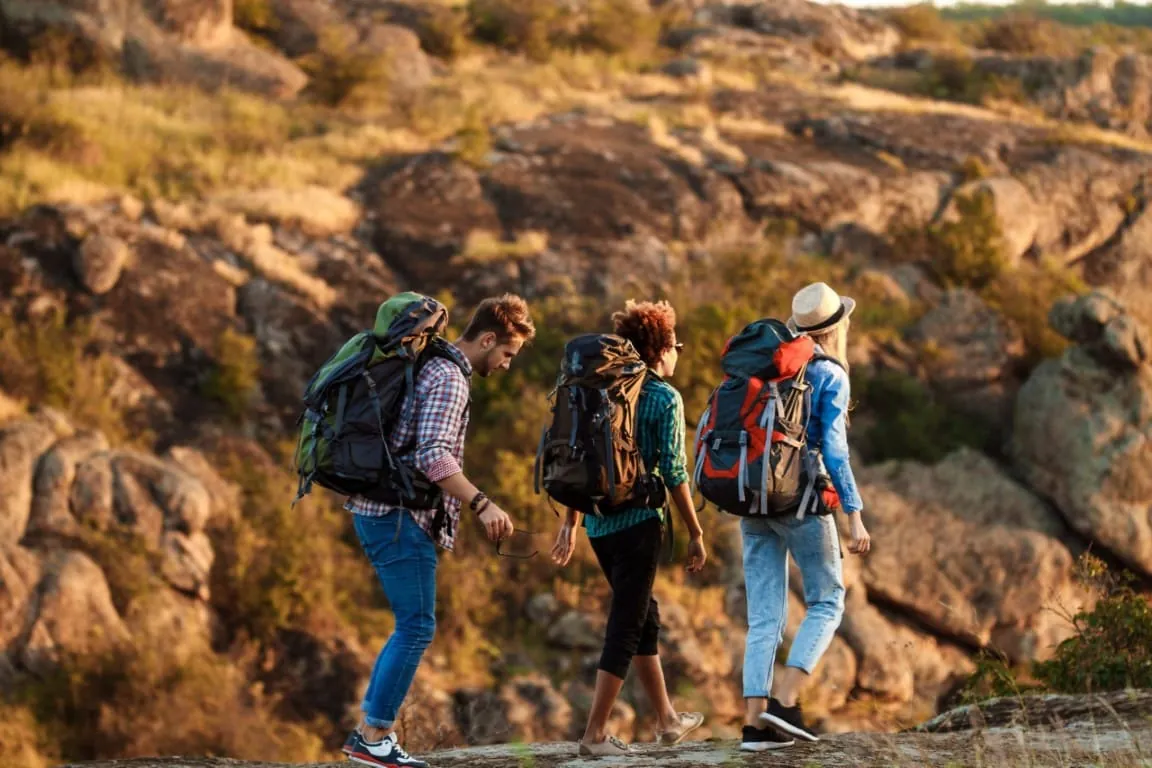
Adventure travel offers more than sightseeing—it delivers challenge, discovery, and unforgettable personal experiences. Whether you prefer mountains, oceans, deserts, or forests, stepping outside your comfort zone can transform how you see the world. The best adventure trips combine excitement with meaningful interaction with nature and local cultures.
Here are some of the most rewarding adventure travel experiences every explorer should consider at least once.
Trekking Through High-Altitude Mountain Trails
Mountain trekking remains one of the most iconic adventure travel experiences. Walking through dramatic landscapes builds endurance while offering unmatched scenery.
Popular trekking experiences often include:
- Multi-day alpine hikes
- Glacier viewpoints
- Remote village encounters
- Sunrise summit views
Trekking strengthens both physical stamina and mental resilience, making it a favorite among serious explorers.
Scuba Diving in Coral Reef Ecosystems
Scuba diving opens access to an entirely different world beneath the ocean’s surface. Coral reefs host some of the most diverse ecosystems on Earth.
Highlights of scuba adventures include:
- Swimming alongside tropical fish
- Exploring underwater caves
- Observing coral formations
- Encountering marine wildlife responsibly
Even beginner divers can participate after short certification programs.
Desert Safaris Across Vast Sand Landscapes
Desert environments offer silence, scale, and raw beauty rarely found elsewhere. Traveling across dunes provides a unique perspective on nature’s extremes.
Typical desert adventure activities include:
- Dune driving
- Camel trekking
- Sandboarding
- Overnight camping under open skies
Desert travel is especially memorable during sunrise and sunset hours.
Whitewater Rafting on Fast-Flowing Rivers
Whitewater rafting combines teamwork, adrenaline, and scenic river valleys into one intense experience.
What makes rafting exciting:
- Navigating rapids of varying difficulty levels
- Learning coordination with team members
- Passing through dramatic canyon routes
- Experiencing changing river landscapes
Many destinations offer routes suitable for beginners as well as experts.
Wildlife Safaris in Natural Habitats
Seeing animals in their natural environment creates a deeper connection with conservation and ecology.
Wildlife safari experiences often involve:
- Guided forest or grassland tours
- Birdwatching expeditions
- Photography-focused tracking routes
- Night safaris in protected reserves
Responsible safari travel supports conservation efforts and local communities.
Paragliding Over Scenic Landscapes
Paragliding delivers one of the most peaceful yet thrilling aerial perspectives available to travelers.
Common paragliding highlights include:
- Flying above valleys and lakes
- Viewing mountain ranges from the air
- Experiencing silent flight conditions
- Capturing panoramic photographs
Tandem flights make this activity accessible even for first-time adventurers.
Kayaking Through Rivers, Lakes, and Coastal Waters
Kayaking allows travelers to explore places unreachable by vehicles or large boats.
Popular kayaking environments include:
- Mountain lakes
- Coastal caves
- Mangrove forests
- Calm river corridors
This experience blends gentle exercise with immersive nature exploration.
Camping in Remote Natural Environments
Camping introduces travelers to slower rhythms and deeper outdoor awareness.
Memorable camping experiences often involve:
- Sleeping under star-filled skies
- Cooking outdoors
- Listening to natural night sounds
- Disconnecting from digital distractions
Remote camping builds independence and appreciation for wilderness settings.
Volcano Hiking for Geological Exploration
Volcano hikes offer dramatic terrain and rare geological insight.
These hikes may include:
- Walking across lava fields
- Observing crater formations
- Experiencing geothermal landscapes
- Learning about tectonic activity from guides
Safety planning is essential, but the experience is highly rewarding.
Exploring Dense Forest Trails and Rainforests
Rainforest adventures introduce travelers to biodiversity found nowhere else.
Forest exploration typically includes:
- Canopy walks
- Guided nature treks
- Waterfall discoveries
- Wildlife tracking
These ecosystems highlight the importance of environmental preservation.
Rock Climbing for Physical and Mental Challenge
Rock climbing tests both strength and strategy. It appeals to travelers seeking focused adventure experiences.
Climbing opportunities range from:
- Indoor beginner walls
- Outdoor cliff routes
- Guided canyon climbs
- Multi-pitch mountain ascents
Proper instruction makes this activity accessible even for newcomers.
Snow-Based Adventures in Winter Landscapes
Winter environments create unique exploration opportunities unavailable in other seasons.
Popular snow adventures include:
- Snow trekking
- Ski touring
- Ice climbing
- Glacier walking
Cold-weather adventures require preparation but provide unforgettable scenery.
How to Choose the Right Adventure Experience for Yourself
Selecting the right activity depends on several personal factors.
Consider:
- Your fitness level
- Climate preferences
- Travel season
- Available time
- Comfort with risk levels
- Equipment requirements
Choosing realistically ensures both safety and enjoyment.
FAQ Section
1. What is the best age to start adventure travel?
Adventure travel has no strict age limit. Many activities offer beginner-friendly options suitable for teenagers through older adults.
2. Do adventure experiences always require professional training?
Not always. Many activities like guided trekking, kayaking, and safaris include beginner-level instruction before starting.
3. How important is travel insurance for adventure trips?
Travel insurance is strongly recommended because it helps cover unexpected medical situations and activity-related risks.
4. Can beginners safely try multiple adventure activities in one trip?
Yes, but it’s best to schedule rest periods between activities to avoid fatigue and improve safety.
5. What type of clothing is essential for adventure travel?
Comfortable layered clothing, durable footwear, weather protection gear, and quick-dry fabrics are usually recommended.
6. Are guided adventure tours better than independent exploration?
Guided tours improve safety, provide expert knowledge, and simplify logistics in unfamiliar environments.
7. How can travelers prepare physically before an adventure trip?
Simple preparation like walking regularly, improving flexibility, and practicing endurance exercises helps travelers perform better during activities.
