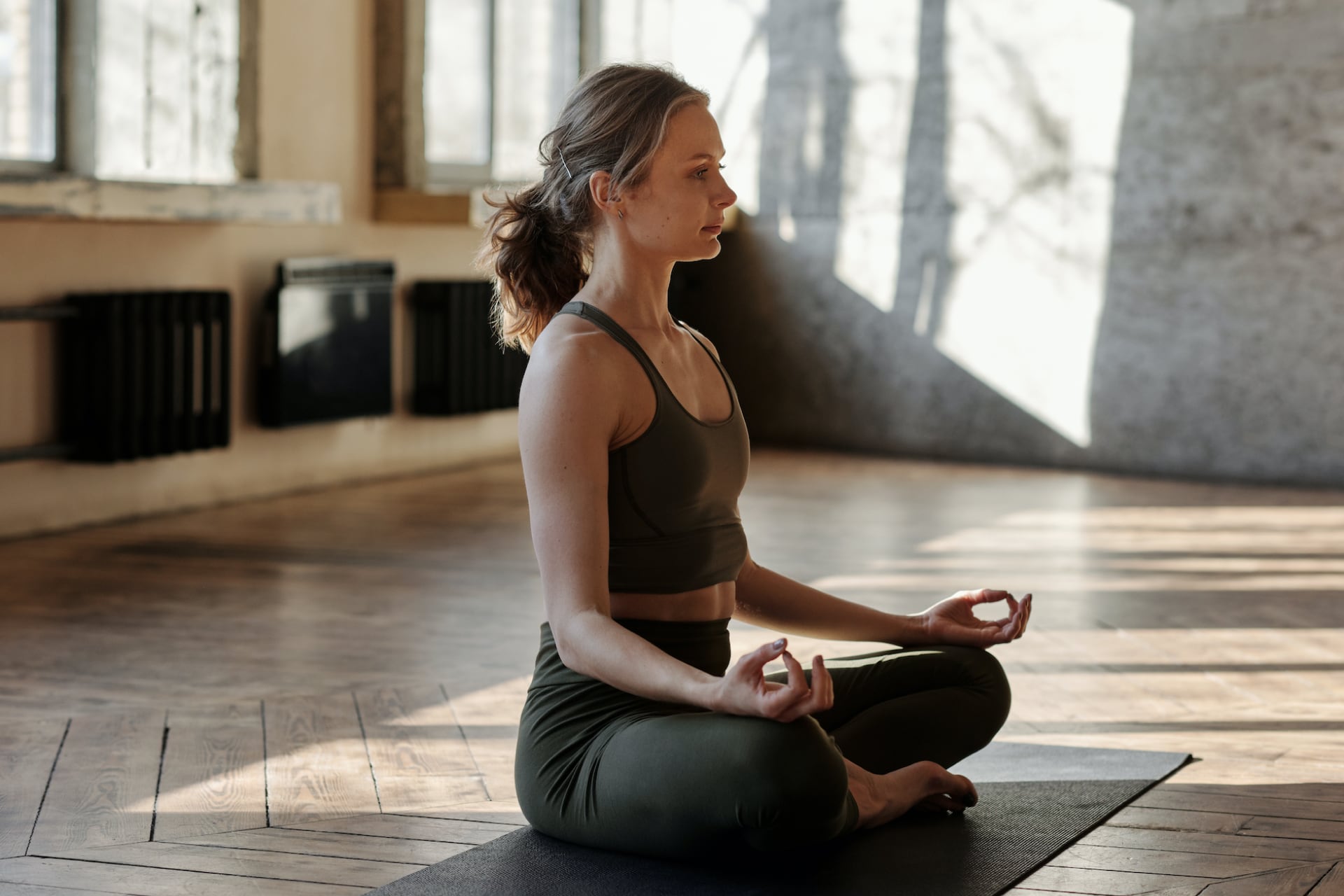
Travel has evolved far beyond sightseeing and photography. Modern travellers seek meaningful experiences that connect them with local culture, wellness, and self-discovery. Singapore, with its global reputation for harmony and mindfulness, has become a destination for a new kind of visitor — the movement tourist. These are travellers who combine exploration with embodied practices such as yoga, and many now include structured yoga classes in their itineraries as part of cultural immersion.
What Defines Movement Tourism
Movement tourism is the practice of using physical activity — yoga, martial arts, dance, or meditation — as a pathway to connect with the identity of a place. Rather than observing culture from a distance, travellers experience it through participation and embodiment.
This growing trend aligns with the global shift towards sustainable and meaningful travel. Instead of passive consumption, movement tourists engage with local teachers, learn traditions, and explore personal growth through mindful movement. In Singapore, yoga has emerged as a key avenue for this connection because it represents balance, discipline, and modern wellness — values deeply woven into the nation’s multicultural rhythm.
Why Yoga Appeals to the Modern Traveller
Yoga’s universal accessibility makes it ideal for visitors of all ages and fitness levels. It doesn’t require heavy equipment or elaborate infrastructure, and it can be practised anywhere — from studio settings to hotel rooftops or gardens. Travellers who attend local yoga sessions often find that the experience offers more than physical exercise; it provides a glimpse into the city’s social and cultural pulse.
Several factors explain yoga’s growing presence in travel itineraries:
-
Holistic wellness: Travellers today seek restoration, not exhaustion. Yoga offers a balanced mix of relaxation and energy renewal.
-
Community connection: Group classes foster a sense of belonging, allowing travellers to meet locals and fellow visitors.
-
Cultural mindfulness: Yoga sessions often incorporate local philosophies, music, or rituals, creating an authentic sense of place.
-
Travel balance: After days of sightseeing or business meetings, yoga provides grounding and recovery for both body and mind.
Singapore: A Wellness Hub for Conscious Travellers
Singapore has rapidly positioned itself as a leading destination for conscious travel. Known for its cleanliness, order, and respect for diversity, the city creates a natural environment for inner reflection. The accessibility of wellness experiences — from nature parks and meditation spaces to yoga studios — makes it easy for travellers to integrate mindful routines during their stay.
The country’s multicultural roots also enhance yoga’s appeal. Classes often blend traditional practices with contemporary approaches, offering travellers a fresh yet grounded experience. For visitors seeking calm in the midst of a bustling city, yoga becomes a bridge between Singapore’s structured urban rhythm and its deep spiritual undercurrent.
Yoga as Cultural Experience, Not Just Fitness
Unlike gym workouts, yoga carries a narrative of philosophy and mindfulness. In Singapore, classes often highlight breath awareness, non-competition, and presence — values that reflect local sensibilities of respect and balance.
For travellers, participating in yoga becomes an act of cultural exchange. Learning to breathe consciously, observe thoughts, and move with intention mirrors the city’s ethos of discipline and harmony. Many visitors describe these classes as moments of pause in their otherwise packed itineraries — a way to truly “experience” Singapore beyond landmarks and attractions.
How Travellers Integrate Yoga into Their Journeys
The modern traveller is no longer content with sightseeing marathons. Yoga provides the perfect counterbalance to urban exploration. Examples of how visitors incorporate yoga into their itineraries include:
-
Morning grounding sessions: Starting the day with slow flow classes before exploring cultural districts.
-
Evening wind-downs: Restorative classes that help offset jet lag and improve sleep.
-
Weekend retreats: Combining short getaways with wellness activities, often featuring local cuisine and guided mindfulness.
-
Corporate travellers’ breaks: Professionals on business trips joining community yoga sessions to decompress between meetings.
This integration turns yoga into more than a holiday activity — it becomes part of how travellers inhabit a new environment.
Economic and Cultural Benefits for Singapore
The growth of wellness and movement tourism contributes significantly to Singapore’s economy. Yoga experiences encourage longer stays, higher-quality spending, and deeper engagement with local businesses. Cafés, studios, and wellness shops around popular practice areas benefit from this trend.
Beyond economics, movement tourism promotes cross-cultural empathy. Visitors gain a deeper understanding of Singapore’s multicultural heritage and its emphasis on balance between modernity and mindfulness. It showcases the nation not only as a business hub but as a space for personal renewal and self-awareness.
The Shift Toward Conscious Itineraries
A growing number of travellers now design itineraries around energy flow rather than location lists. Instead of rushing through attractions, they alternate between movement and rest. Singapore’s infrastructure supports this approach beautifully — one can practise yoga near the Botanic Gardens in the morning, enjoy a nutritious local meal, and explore heritage sites in the afternoon.
Travel agencies and hotels are also adapting. Many now partner with local studios to offer in-house yoga sessions or referrals, ensuring visitors have access to authentic, high-quality classes led by certified instructors.
Digital Nomads and the Long-Stay Wellness Trend
Another group fuelling this movement is the digital nomad community. These long-term travellers often choose cities where they can maintain their physical and mental wellness routines. Singapore, with its stable infrastructure, safety, and diverse yoga offerings, provides the ideal base for such travellers.
By joining regular classes, nomads form social networks that replace the transient loneliness of travel with connection and belonging. This sense of continuity makes Singapore’s yoga scene a soft anchor point for global citizens seeking both professional productivity and inner balance.
Movement as Cultural Memory
The beauty of yoga lies in how it transforms memory. Travellers who practise yoga while visiting Singapore often associate specific poses or sequences with their journey. A sunrise flow near Marina Bay or a mindfulness session overlooking lush greenery becomes an embodied souvenir — a memory stored not in photos but in muscle and breath.
This emotional imprint ensures that visitors carry a part of Singapore with them long after departure. It also encourages repeat visits, as wellness travellers often return to familiar studios to reconnect with teachers and community.
The Role of Yoga Edition in This Landscape
Institutions like yoga edition represent the next evolution of movement tourism — spaces where global travellers and local residents meet through shared practice. Their classes focus not only on technique but on cultivating inner awareness, allowing each participant to engage with the city’s calmness amidst its dynamism.
By integrating thoughtful instruction, inclusive environments, and flexible scheduling, Yoga Edition exemplifies how Singapore’s yoga culture continues to evolve as part of the broader wellness ecosystem. It’s no longer just about classes; it’s about crafting experiences that help people move, breathe, and belong — no matter where they come from.
FAQs
Q1. Why is yoga considered a cultural activity and not just fitness during travel?
Yoga connects travellers to the philosophy and rhythm of local living. It goes beyond physical movement to include mindfulness, respect, and awareness — qualities that mirror Singapore’s cultural identity.
Q2. Can beginners join yoga sessions while travelling?
Yes. Most studios in Singapore offer multi-level classes, making them accessible to travellers with different levels of experience. Instructors usually provide modifications to ensure comfort and safety.
Q3. How does yoga help with jet lag and travel fatigue?
Gentle stretches, breathwork, and relaxation poses improve blood circulation, ease muscle tension, and reset circadian rhythm — all of which accelerate recovery from long flights.
Q4. Is it common for hotels in Singapore to include yoga sessions?
Yes. Many hotels and resorts partner with local studios to provide in-room or rooftop yoga experiences. This integration reflects the rising demand for holistic travel offerings.
Q5. What makes Singapore unique for movement tourism compared to other destinations?
Singapore offers a rare mix of urban convenience, cultural diversity, and natural calm. The city’s infrastructure allows travellers to combine wellness, exploration, and community in one seamless experience.
