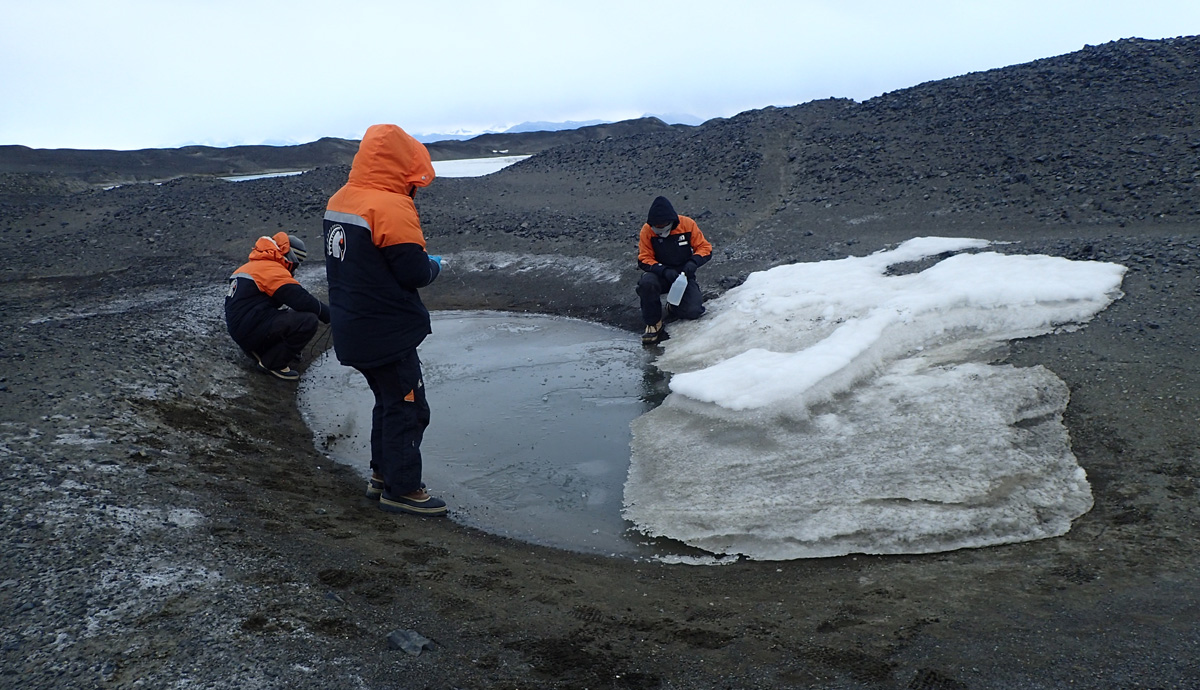
The vast, icy expanse of Antarctica, with its bone-chilling temperatures, perpetual darkness for half the year, and scarcity of liquid water, might seem utterly devoid of life. Yet, beneath its frozen veneer, a bustling, resilient world of microscopic organisms thrives. These tiny inhabitants, from bacteria and archaea to fungi and viruses, have adapted to some of the most extreme conditions on Earth, offering scientists unparalleled insights into the fundamental principles of life, the potential for life beyond our planet, and even critical clues for biotechnology and medicine. This deep dive into antarctic news will explore the fascinating realm of Antarctic microbiology and its profound implications.
The Extreme Environment: A Microbial Crucible
Antarctica presents a unique laboratory for studying life’s limits. Temperatures routinely plummet below -80°C, and even in summer, average coastal temperatures hover around freezing. High levels of UV radiation, low nutrient availability in many areas, and the presence of highly saline brines further challenge survival. Despite these harsh realities, microbial communities flourish in diverse niches:
- Ice and Snow: Microbes are found within ice crystals, in meltwater ponds, and even on the surface of glaciers.
- Subglacial Lakes: Hidden beneath kilometers of ice, vast liquid lakes like Lake Vostok harbor ancient, isolated ecosystems.
- Dry Valleys: These ice-free polar deserts, among the driest places on Earth, feature microbial communities living within porous rocks (endolithic communities).
- Marine Environments: The frigid Southern Ocean teems with psychrophilic (cold-loving) bacteria and archaea, forming the base of a complex food web.
These extreme conditions have driven the evolution of unique physiological adaptations. Antarctic microbes produce specialized enzymes that function at low temperatures (cold-active enzymes), possess antifreeze proteins, and have cell membranes rich in unsaturated fatty acids to maintain fluidity. Understanding these adaptations is not just academic; it holds immense practical potential.
Why Study Antarctic Microbes? Unveiling Global Significance
The study of Antarctic microbes is far more than an exercise in curiosity; it addresses some of humanity’s most pressing questions and offers tangible benefits.
Astrobiology: Life Beyond Earth
The extreme environments of Antarctica are often considered terrestrial analogs for extraterrestrial settings, particularly Mars and icy moons like Europa and Enceladus. If life can thrive beneath kilometers of Antarctic ice in subglacial lakes, it raises the tantalizing possibility that similar conditions could support microbial life on other celestial bodies. Research into Antarctic extremophiles informs the design of astrobiological missions and helps scientists understand what biosignatures to look for when searching for life beyond Earth. Every piece of antarctic news about life in extreme environments fuels this quest.
Biotechnology and Bioremediation: Nature’s Solutions
The unique enzymes produced by Antarctic microbes, known as extremozymes, are highly stable and active at low temperatures. This makes them invaluable for various industrial applications:
- Cold-active detergents: Enzymes that work efficiently in cold water can save energy.
- Bioremediation: Microbes capable of degrading pollutants in cold environments can be used to clean up oil spills in polar regions or process waste at lower temperatures.
- Pharmaceuticals: Some Antarctic microorganisms produce novel antibiotics or anti-cancer compounds.
- Food industry: Enzymes for food processing that operate at lower temperatures can preserve nutrients and flavors.
For instance, researchers have identified Antarctic bacteria that produce cold-active proteases, enzymes crucial for breaking down proteins. These have potential applications in tenderizing meat, clarifying beverages, and even in biomedical research.
Climate Change Indicators: A Barometer for Our Planet
Antarctic microbial communities are highly sensitive to environmental changes. As global temperatures rise and ice sheets melt, these ecosystems are among the first to be impacted. Monitoring shifts in microbial diversity and activity can provide early warnings about the health of polar ecosystems and the broader planet. Changes in algal blooms, for example, can affect the entire marine food web and global carbon cycles. Keeping up with antarctic news on these microbial shifts is crucial for understanding climate change impacts.
Cutting-Edge Research and Future Directions
Modern molecular techniques, such as metagenomics and single-cell sequencing, are revolutionizing our understanding of Antarctic microbial diversity and function. Scientists no longer need to culture organisms in a lab; they can extract DNA directly from environmental samples and sequence entire microbial communities. This has revealed an astonishing level of biodiversity, with many novel species yet to be formally described.
Future research will likely focus on:
- Deep subglacial environments: Exploring more subglacial lakes and pristine environments to understand truly isolated ecosystems.
- Viral diversity: Unraveling the role of viruses in shaping Antarctic microbial communities and nutrient cycling.
- Microbial responses to warming: Detailed studies on how specific microbial groups adapt or perish under climate change scenarios.
- Bio-prospecting: Intensified search for novel enzymes, compounds, and genetic material with biotechnological potential.
Conclusion: A Microscopic World with Macro Impact
Antarctica, often perceived as a barren, lifeless continent, is in fact a vibrant hub of microbial activity. The organisms thriving in its extreme conditions are not just biological curiosities; they are living laboratories offering profound insights into life’s resilience, the potential for life beyond Earth, and a treasure trove of biotechnological solutions. As scientists continue to unravel the mysteries of these hardy microbes, the valuable antarctic news they uncover will undoubtedly shape our understanding of life itself and provide innovative solutions for a sustainable future. The microscopic world beneath the ice holds macro-level importance for us all.
Author Bio:
The author is a science communicator and writer with a passion for polar exploration and environmental science. With a background in biology and a keen interest in astrobiology, they frequently write about groundbreaking research from the Earth’s most extreme environments. Their work aims to make complex scientific discoveries accessible and engaging for a broad audience, highlighting the critical role of scientific inquiry in addressing global challenges and expanding our understanding of the natural world.
