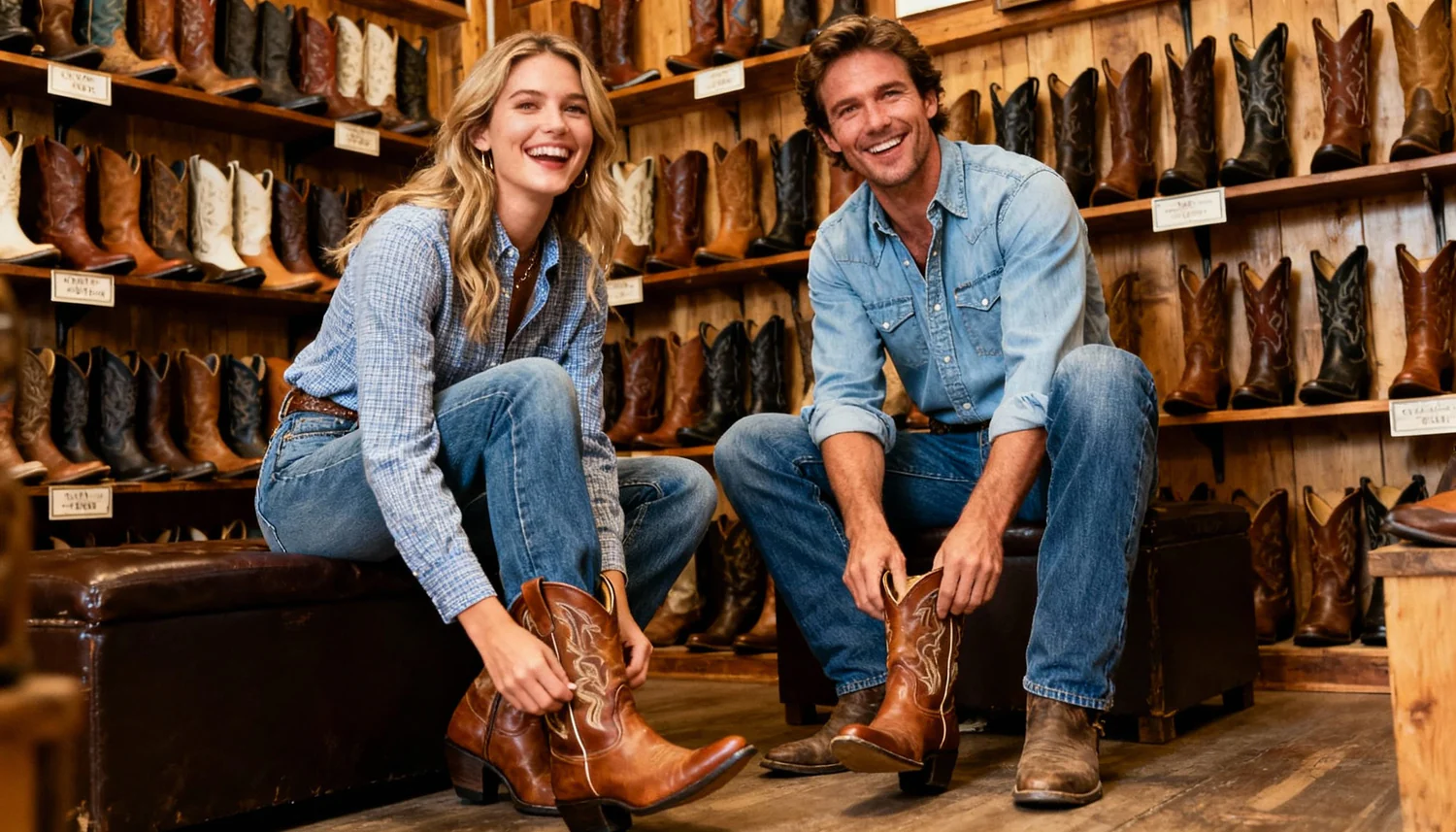
Cowboy boots are built for style, durability, and daily use, but rain, mud, damp grass, and rough outdoor conditions can shorten their life if they are not cared for properly. That is why waterproofing cowboy boots is an important step for anyone who wears western footwear for work, hiking, ranch tasks, travel, casual outings, or long days on their feet.
Western boots are often made with leather, stitched construction, and shaped shafts that need regular care. While many boots are tough, leather can still absorb moisture. Over time, water exposure may lead to stiffness, cracking, odor, staining, or sole separation. Even boots that look rugged on the outside need the right maintenance to stay comfortable and reliable.
For men and women who wear boots often, waterproofing is not just about rainy days. It is about protecting a footwear investment.
Why Cowboy Boots Need Weather Protection
Leather is a natural material, which is part of what makes cowboy boots so appealing. It can mold to the foot, develop character, and offer long-term comfort when properly maintained. However, leather also reacts to moisture.
When boots get wet and dry too quickly, the leather can become stiff. If moisture stays inside the boot, it can cause odor and discomfort. Repeated exposure to rain, mud, or snow can also weaken stitching and affect the boot’s finish.
Weather protection helps reduce these issues. It creates a barrier that limits how much moisture reaches the leather and seams. This can help boots maintain their shape, comfort, and appearance over time.
Common Situations That Put Boots at Risk
Cowboy boots are not limited to western fashion. Many people wear them for work, outdoor activity, casual outfits, and everyday tasks. That means they often face conditions that dress shoes or sneakers may never experience.
People who work outdoors may deal with wet job sites, muddy paths, standing water, or damp grass. Hikers and travelers may wear western-style boots across changing terrain. Ranch and farm users may face dirt, moisture, and long hours of wear. Even casual users can get caught in unexpected rain or walk through wet parking lots, sidewalks, or festival grounds.
Tactical and sport-focused users may also need boots that can handle movement, changing weather, and long periods of use. In all these cases, moisture protection helps keep boots more dependable.
How Waterproofing Helps Extend Boot Life
Waterproofing does not make every boot fully waterproof in every condition. However, it can help boots resist moisture and hold up better under normal wet-weather use.
A good waterproofing routine can help protect the leather surface, reduce staining, and limit water absorption. It can also help keep the boot more comfortable during damp conditions. When leather stays drier, it is less likely to stretch unevenly, lose shape, or become brittle after drying.
For people who wear boots frequently, this can make a noticeable difference. Instead of replacing boots sooner than expected, proper care may help them last longer and look better.
Boot Care Steps That Make a Difference
The first step in boot care is cleaning. Dirt and mud should be removed before applying any product. A soft brush or slightly damp cloth can help clear the surface. Boots should be allowed to dry naturally at room temperature before conditioning or waterproofing.
Avoid placing leather boots near direct heat, such as heaters, fireplaces, or strong sunlight. Fast drying can damage leather and cause cracking.
After cleaning, conditioning helps restore moisture to the leather. This is important because leather needs balance. Too much water is harmful, but leather that becomes too dry can also crack. A quality leather conditioner can help maintain flexibility.
Once the boots are clean and conditioned, a waterproofing spray, wax, or cream may be applied based on the boot material and manufacturer recommendations. Some products are better for smooth leather, while others work better for suede or nubuck. Always test on a small hidden area first to make sure the product does not change the color or finish.
Storage also matters. Boots should be kept in a dry, well-ventilated place. Boot trees or rolled paper can help maintain shape, especially for taller shafts.
Choosing Boots Built for Your Lifestyle
Not every boot is made for the same purpose. A boot worn mainly for casual outings may not need the same features as one used for outdoor work or long-distance walking.
Work boots should offer support, durability, and traction. Hiking-friendly western boots should feel stable and comfortable across uneven ground. Casual cowboy boots may focus more on design, fit, and finish. Tactical or sport-related footwear may need stronger grip, comfort, and weather resistance.
Before buying, shoppers should think about where the boots will be worn most often. Wet job sites, outdoor events, travel, daily errands, and long standing hours all place different demands on footwear.
The right pair, combined with regular care, can help users get more comfort and longer wear from their boots.
Final Thoughts
Cowboy boots can be stylish, practical, and long-lasting when they receive the right care. Waterproofing, cleaning, conditioning, and smart storage all help protect leather from the effects of moisture and daily wear. Whether the boots are used for work, hiking, casual outfits, sport, travel, or outdoor tasks, proper maintenance can help preserve comfort and appearance.
For men and women looking for dependable boots, shoes, and western footwear for different lifestyles, BootsPlusMore offers options suited for work, outdoor use, and everyday wear. Visit the website to find footwear that fits your routine and stands up to the conditions you face.
